
How Toxic Behavior Slowly Destroys Relationships
Dec 22, 2025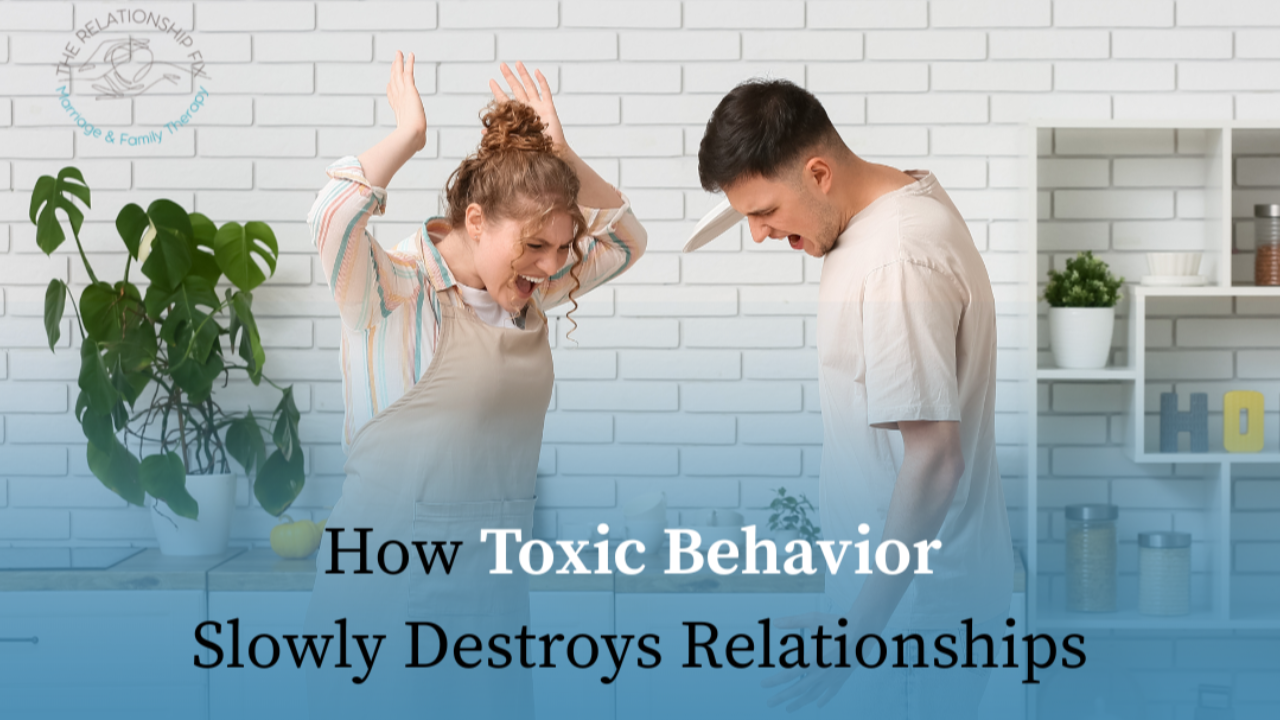
It is rare that a romantic relationship has completely gone down the drain overnight. In most cases, it is a slow process of an emotional connection that gets drained little by little through the buildup of toxic behavior.
Many people are unaware of the extent of the problem and already find themselves among misunderstandings, ongoing interpersonal conflict, or other major relationship problems. Knowing how these harmful interactions come about is the first step in the process of stopping and making a healthier bond.
Recognizing Toxic Behavior Before It Becomes the Norm
Not every negative moment indicates a toxic relationship, but negative behavior can, over time, change the dynamics of the partnership. One of the most common questions people ask is, “How can I tell if the behavior has turned toxic or if it is just a bad day?” A very clear indication is when the same patterns of criticizing, trying to exert control, manipulating, or being constantly annoyed are repeatedly seen. The longer these behaviors are ignored, the more they become the “new normal,” widening the gap between the couples rather than bringing them together.
How Destructive Behavior Impacts Emotional Safety
Trust and emotional safety are the basic pillars of healthy relationships. Nevertheless, willing and unwilling forms of destructive behavior, such as silent treatment, dismissing emotions, or explosive reactions, keep wearing off the latter. Partners may gradually become guarded rather than open. Frequently, the users ask, “Why do I feel anxious even when nothing is wrong?” The answer lies in the fact that the relationship now lacks the element of predictability or emotional security. Emotional safety is easily breached, and toxic habits are quick to cause the breach.
The Role of Disrespect in Growing Conflict
One more significant sign of decline in a relationship is disrespectful behavior. This can be in the form of minor remarks, sarcasm, or even just eye-rolling, which might be considered harmless at first but in the end result in long-term grudges. Disrespect is interpreted by your partner as their opinion or emotion does not matter. Disrespectful behavior leads to interpersonal conflict. The arguments become more intense, and even trivial matters seem to be fought over. Partners begin reacting to each other, not communicating with each other.
How Bullying Behavior Sneaks Into Relationships
In many relationships, bullying behavior may be found in a milder form. At times, it might not resemble the conventional type of bullying, but it can manifest in many ways, like the taking of jokes to a level of ridicule, the guilt-tripping, threatening to leave, or the intentional infliction of psychological distress. The commonest question that people ask is “Is my partner too harsh, or is it just stress?” When one person consistently employs shame, fear, or pressure to influence the other, that becomes bullying. This interaction sets up a power imbalance that gradually weakens the partnership.
The Hidden Damage of Constant Negativity
Even if the couple is not resorting to shouting or direct insults, the constant display of negative behavior, complaining, a doubtful mindset, and over-criticizing may gradually drain the emotional energy of the relationship. Couples' attention shifts to the relationship's flaws, and thus, the relationship becomes a burden. Many couples wonder, “Why does everything feel so tense lately?” Very often, it is because the negativity has become so pervasive that it has taken over the relationship, creating an environment where it is tough to be joyful over even the smallest moments or to appreciate each other.
Toxic Patterns and Their Link to Relationship Problems
The majority of relationship problems do not come from only one matter. Rather, they are the consequence of a series of toxic behaviors practiced by the couple that lead to emotional exhaustion, and finally to distancing, resentment, and miscommunication. When partners do not deal with bad habits in time, they feel that their voices are not being heard, that they are not loved, or that they are simply not connected anymore. Such toxic behavior destroys trust, intimacy, and communication, which are the three essentials for every healthy relationship.
How Toxic Behavior Creates Long-Term Emotional Distance
The most severe withdrawal can be said to be emotional withdrawal. Partners protect themselves by distancing each other emotionally when there is a lot of interpersonal conflict and criticism. Emotional distance is generally a gradual process. It starts with less communication, fewer shared moments, and a general feeling of disconnect. People often ask, "Why do we feel like strangers now?" Toxicity in the relationship makes partners shut down instead of opening up to each other, thus creating a gap that becomes harder to bridge.
Why Toxic Relationships Feel Hard to Leave
Even if people understand that they are in toxic relationships, the thought of leaving or changing the dynamics is often too much to bear. The strong emotions involved, the fear of conflict, guilt, or the faint hope that things will get better, are the main reasons why people get stuck. Toxic cycles also create confusion; periods of affection followed by hurt, which make partners doubt themselves. Recognizing these cycles is a key step in setting healthier boundaries and rebuilding self-confidence.
Can Toxic Behavior Be Changed?
Yes, but only if both partners involved are open and honest about their problems and also take the necessary steps. A couple's relationship can improve if each person works on their negative traits and is cooperative by using communication tools, adopting new and better ways to express feelings, and so on. It takes time and effort to change, and sometimes even a professional who knows destructive behavior and the methods to break it is needed to help one reflect during the process and be consistent.
Starting the Journey to a Healthier Relationship
Healing a relationship affected by toxic behavior begins with awareness, honesty, and a willingness to change. Couples need to recognize harmful patterns, take responsibility for their actions, and show understanding and give each other time. When couples remain committed to good communication, set up proper boundaries, and are willing to make regular improvements, even the most toxic relationships of the past can become less so and eventually gone.
If couples get professional assistance, they will be able to renew trust between them and their emotional bond will be strong again. Together, they can establish a partnership full of love and support that is also strong enough to withstand the test of time.
Restore Peace and Healing With Sandee Villeza
If your relationship is going through a phase of being slowly damaged by toxic behavior, you don’t have to deal with it alone. The guidance of Sandee Villeza will help you to spot the damage-causing practices, to win back trust, and to establish a relationship that is based on respect and emotional safety. Don’t let negativity or unresolved interpersonal conflict continue to break your connection.
Join my Free Masterclass to learn simple tools for healthier communication and a more peaceful, connected relationship.