
Why Are Relationships So Hard? Truth You Need to Know
May 07, 2026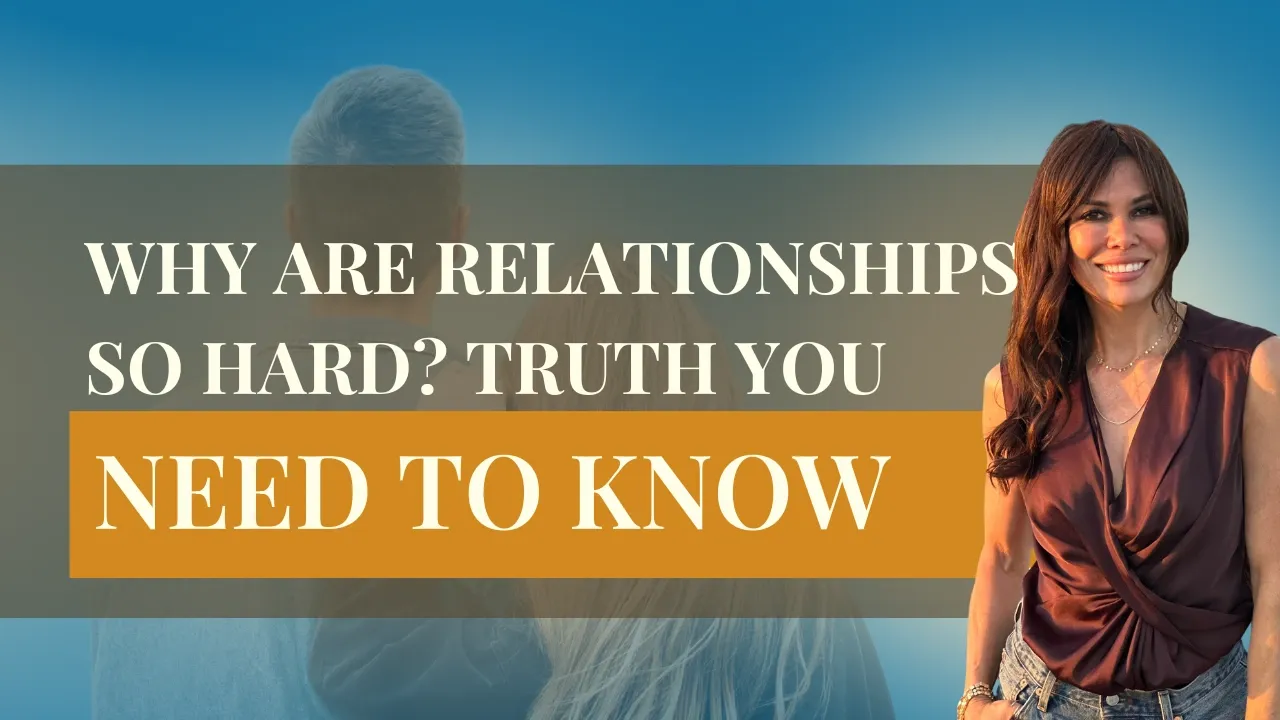
Relationships are hard because two people bring different experiences, expectations, communication styles, and emotional needs into one partnership. Challenges such as trust issues, poor communication, financial stress, and personal growth differences can create conflict, but healthy effort and understanding can strengthen the relationship.
Why does a relationship feel harder than expected?
A relationship often feels harder than expected because love alone does not automatically create understanding. A healthy connection requires communication, emotional awareness, trust, and consistent effort from both people.
Many people enter a relationship expecting compatibility to solve everything. In reality, even strong couples experience disagreements, misunderstandings, and periods of distance. What matters most is how those moments are handled.
Communication patterns play a significant role in relationship satisfaction and stability. Couples who communicate effectively tend to report higher levels of happiness and connection.
One reason many people struggle is that they bring past experiences into present situations. Childhood environments, previous heartbreaks, and personal insecurities can shape reactions in ways they may not fully recognize.
These are some of the most common challenges people face:
- Communication breakdowns
- Trust issues
- Different expectations
- Financial stress
- Time management struggles
- Emotional disconnect
What makes a relationship difficult over time?
Relationships become difficult over time because people change. Growth, career demands, family responsibilities, and personal goals can shift priorities and create new challenges.
Sharing responsibilities, managing finances, and maintaining trust remain among the most important factors for successful partnerships.
Many long-term relationships face periods where excitement fades, and routines take over. This does not necessarily mean love is gone. It often means the connection needs renewed attention.
Some signs that a partnership may be entering a challenging phase include:
- Less meaningful conversation
- Increased misunderstandings
- Emotional distance
- Frequent unresolved arguments
- Feeling unappreciated
These experiences are common in difficult relationships, but they can also become opportunities for deeper understanding when addressed constructively.
Can relationship challenges actually help people grow?
Yes, relationship challenges can encourage personal development, emotional maturity, and stronger communication skills when approached with the right mindset.
Conflict often reveals areas where improvement is needed. It may expose fears, habits, or behaviors that otherwise remain hidden. Facing these issues together can strengthen trust and resilience.
Many experts view conflict as a normal part of relationship growth rather than proof that something is wrong. Couples who learn to solve problems collaboratively often develop stronger emotional bonds.
Supportive partnerships can contribute positively to emotional well-being and overall life satisfaction. The key is not avoiding problems but learning from them.
How does healing happen in relationships?
Healing in relationships happens when both people acknowledge pain, take responsibility where needed, and work toward rebuilding trust and understanding.
Emotional wounds can develop from misunderstandings, broken trust, neglect, or repeated conflict. Ignoring these issues rarely makes them disappear. Addressing them honestly creates space for recovery.
Effective healing in relationships often includes:
- Honest conversations
- Active listening
- Consistent actions
- Forgiveness where appropriate
- Setting healthy boundaries
For some couples, professional guidance can also provide valuable tools for navigating emotional challenges. The process of healing is rarely instant. It takes time, consistency, and a genuine commitment to rebuilding connection.
What role does personal growth play?
Personal growth plays a major role because healthy partnerships are built by individuals who continue learning, adapting, and improving themselves. A common misconception is that another person should complete us. In reality, strong connections often develop when both individuals take responsibility for their own emotional well-being.
Personal growth in relationships involves recognizing patterns, improving communication skills, and becoming more self-aware.
Examples include:
- Managing emotions more effectively
- Developing empathy
- Improving conflict resolution skills
- Learning healthier communication habits
When both partners focus on personal growth in relationships, they create a stronger foundation for long-term success. Growth on an individual level often supports collective relationship growth as well.
How can couples create a relationship transformation?
Relationship transformation happens when couples intentionally change unhealthy patterns and replace them with behaviors that strengthen trust, respect, and connection. Transformation does not require perfection. It requires consistency.
Small daily actions often create the biggest impact:
- Expressing appreciation
- Listening without interrupting
- Spending quality time together
- Addressing concerns early
- Supporting each other's goals
Over time, these habits contribute to meaningful transformation. Many couples discover that periods of difficulty become turning points. What once seemed like a breaking point can become the beginning of positive transformation when both individuals commit to change.
What can improve a struggling relationship?
Improving a relationship starts with identifying the problem and taking consistent action to address it.
1. Recognize the Real Issue
The first step is understanding what is actually causing tension. Many arguments are symptoms of deeper concerns, such as unmet needs or poor communication.
2. Improve Communication
Speak honestly and listen carefully. Avoid focusing only on defending your position.
3. Rebuild Trust
Trust grows through reliability and consistency. Small promises kept repeatedly matter more than grand gestures.
4. Make Time for Connection
Busy schedules often create distance. Regular quality time helps maintain emotional closeness.
5. Support Individual Development
Encourage goals, hobbies, and self-improvement. Strong individuals often contribute to stronger Relationships.
6. Address Conflict Early
Unresolved issues tend to grow over time. Discuss concerns before resentment builds.
7. Seek Help When Needed
Professional guidance can provide practical strategies for navigating complex relationship challenges.
FAQs
Is a Relationship supposed to be hard?
A relationship naturally involves challenges because two unique people are learning to build a shared life. Difficulty is normal, but constant misery is not.
Why do good people struggle in a relationship?
Good intentions do not automatically create healthy communication, trust, or compatibility. Skills and effort are still required.
Can a difficult relationship become healthy?
Yes, some relationships improve significantly when both individuals are willing to communicate, change unhealthy patterns, and work toward solutions.
Why do long-term relationships change?
People evolve. Career shifts, family responsibilities, and personal goals can influence how long-term relationships function.
Can personal growth improve a relationship?
Absolutely. Personal growth in relationships often improves emotional intelligence, communication, and conflict resolution.
What does relationship growth look like?
Relationship growth often includes stronger trust, better communication, increased understanding, and healthier ways of handling disagreements.
Are You Ready to Strengthen Your Relationships with Sandee Villeza?
If your relationships feel confusing, challenging, or stuck, what would change if you had the right guidance and perspective? Sandee Villeza helps individuals explore healthier communication, emotional awareness, and lasting connections.
Sometimes the first step toward a better relationship is simply understanding yourself and your patterns more clearly.
Join Sandee Villeza's free masterclass to learn practical tools for building healthier and more fulfilling relationships.